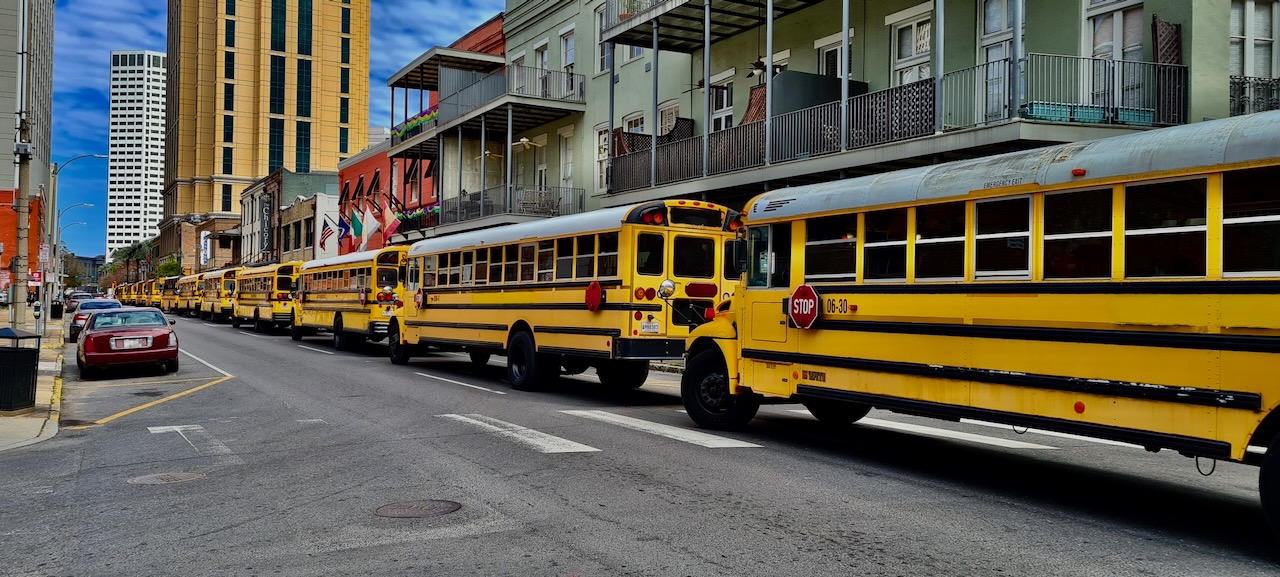
Following the welcome news that Performing New Orleans: Rethinking Resilience in Art and Everyday Life was longlisted for the 2026 Pattis Family Foundation Global Cities Book Award, we have been encouraged to see the book engage audiences across different fields. Recent reviews in both academic and professional resilience publications highlight the interdisciplinary conversations the book seeks to foster between arts and culture, urban studies, resilience research, and emergency management. [Full reviews below]
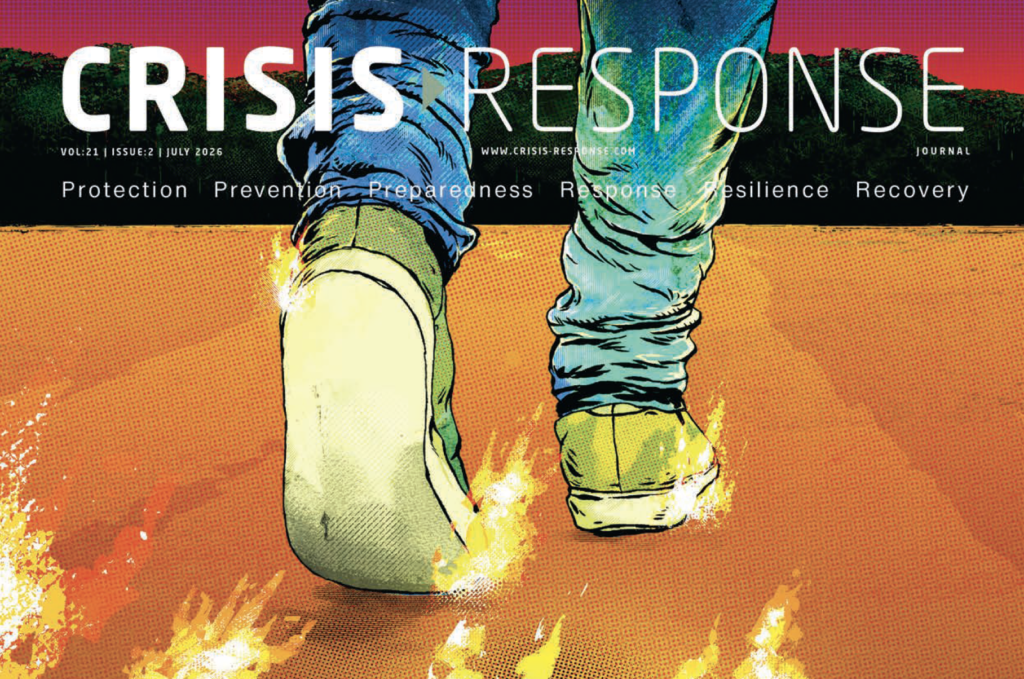
“there HAS to be room for joy, the unexpected, the spontaneous, laughter, and, yes, beauty in our regular interactions with the places we live in and visit. All of these things that make our lives tolerable – even in a disaster or crisis – are an essential part of resilience.” (Hough, CRJ)
Prompting discussions across disciplines
In Liminalities: A Journal of Performance Studies, Leila Nashef describes the book as a “lucid and diligent volume” and argues that our original research “bear[s] striking relevance in understandings of resilience and crisis, locally but also beyond the city itself.” She also notes that the book is “invigorated” by a reconsideration of how performance, culture and everyday life can contribute to understanding urban resilience.
The review highlights the book’s interdisciplinary reach, noting how it brings together performance studies, resilience thinking, urban space, crisis management and community life to explore the city of New Orleans as both a cultural and civic ecosystem.
A second review, published in the Crisis Response Journal, points to the book’s relevance and impact beyond academia. Reviewing the volume for an international readership of resilience, emergency management and preparedness professionals, Emily Hough writes that Performing New Orleans offers “a compelling case for placing creativity, culture and lived experience alongside traditional approaches to resilience.”
While acknowledging that some of the arguments may challenge established approaches, Hough encourages readers to “put any prejudices aside” and consider “the important role that arts and culture can offer both in ‘good times and in crisis’.” She concludes that the book demonstrates how “arts and culture offer dynamic, novel approaches to problem-solving that can be valuable to individuals, communities, neighbourhoods and the city.”
Taken together, these reviews speak to a key ambition of the wider Performing City Resilience project: to generate dialogue across disciplinary and professional boundaries. At a time when cities face increasingly complex environmental, social and infrastructural challenges, the relationship between culture, creativity, everyday practice and resilience continues to be an important area for research, policy and professional debate.
We are grateful to both reviewers for their thoughtful engagement with the book and pleased to see conversations emerging across academic and practitioner communities internationally.